
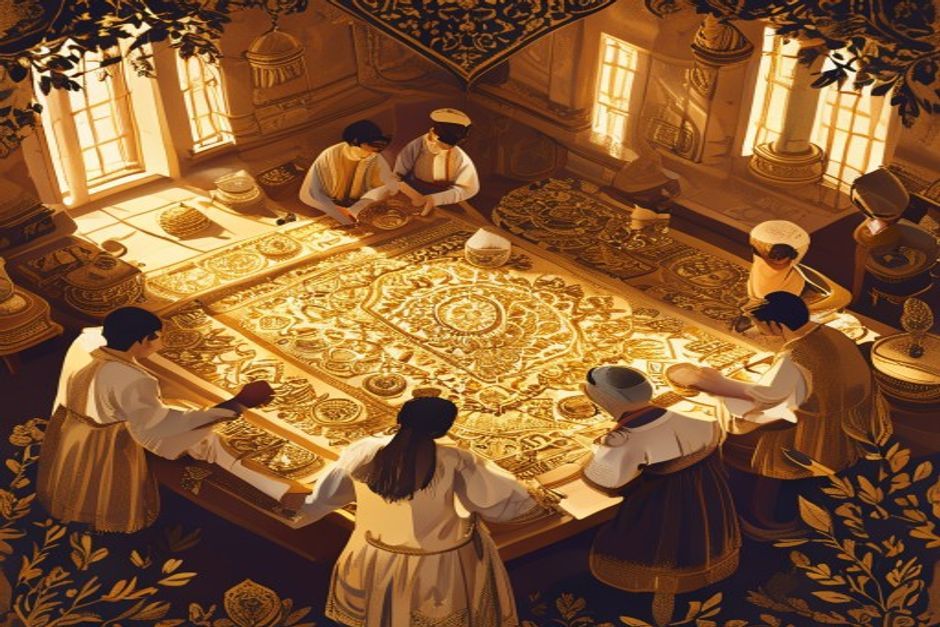
The Kaba covering replacement is an annual ritual steeped in history and significance for Muslims worldwide. This renewal marks the beginning of a new Hijri year, symbolizing fresh starts and spiritual rejuvenation.
A Labor of Craftsmanship
According to a statement from the General Presidency for the Affairs of the Two Holy Mosques, a specialized team of 154 experts meticulously replaced the Kaba’s covering last night. The process involved replacing 47 pieces of fabric weighing approximately 1415 kilograms.
To create the new covering, around 825 kilograms of pure silk, 180 kilograms of silver, and gold were utilized – a testament to the dedication and resources invested in this sacred task. The old covering is then washed with Zamzam water before being sent to Islamic countries for exhibition.
Quranic Verses Adorn the Kiswa
The Kaba’s belt, crafted from silver and gold, features verses from the Holy Quran, further enriching its spiritual significance.
Modern Techniques, Ancient Tradition
The Kaba covering, known as the ‘Kiswah,’ is produced at the King Abdulaziz Complex for Kiswa Manufacturing in Mecca. This complex employs approximately 200 artisans and administrative staff. Notably, it houses what is considered the world’s largest computerized sewing machine, with a length of up to 16 meters, facilitating the intricate embroidery.
Previously, the tradition was to change the Kaba covering on the ninth day of Dhul Hijjah (the Day of Arafah). However, in 2022, this practice was modified, and the renewal now takes place at the beginning of the Hijri year, Muharram.