
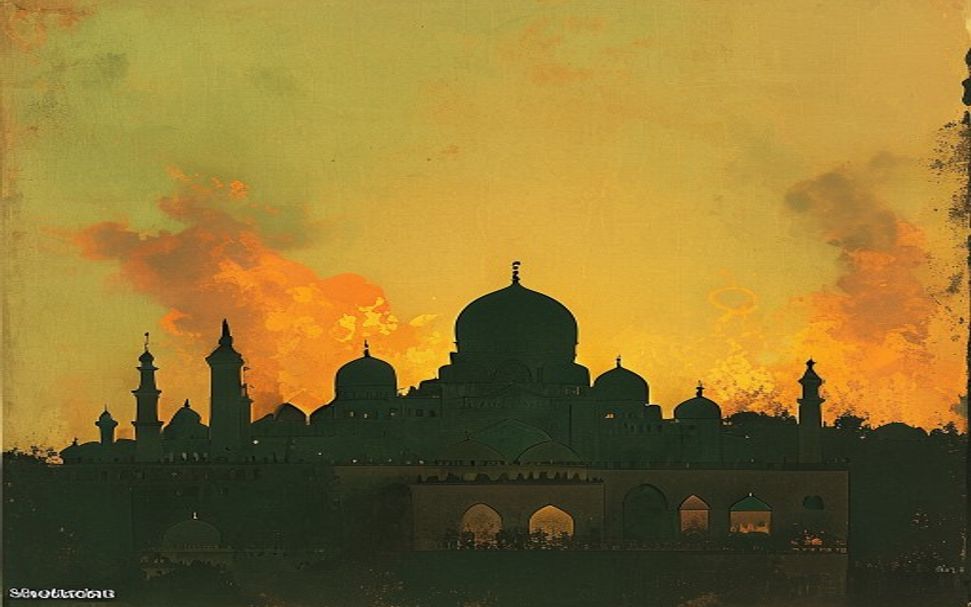
In the Face of Oppression, the Power of Love
Versified texts reflected from the works of Hacı Bektaş Velî reveal the power of faith and love in challenging times throughout history. The example of Bedehşan narrated in the text strikingly depicts the oppression and helplessness experienced by Muslims. Hacı Bektaş Veli’s teachings, offering hope to a society suffering under the pressure of non-believers, demonstrate ways to overcome these difficulties with the power of love and compassion. Love is emphasized not only as a feeling but also as an essential element for solidarity, selflessness, and the vitality of faith.
Like a Salamander on the Path of Truth
The depiction of the salamander in the text symbolizes the dervishes’ eagerness to reach truth with love. Just as the salamander is not harmed by fire, the dervishes are tested by the fire of love, purifying their souls and pursuing true wisdom. This symbolism demonstrates the depth and challenges inherent in Sufi teachings; it also reminds us of the importance of patience, perseverance, and submission on the spiritual journey. In Hacı Bektaş Veli’s philosophy, hearts that have been purified by the fire of love and reached truth assume the responsibility of guiding society.
Symbols of Hope and Salvation
The symbols found in the teachings of Hacı Bektaş Velî carry signs of hope and salvation. Haydar’s courage represents the potential of youth and hope for the future, while the depiction of the goblet (câm) reflects the mystical atmosphere of the Cem ceremony; this ceremony serves as a means to purify hearts and experience spiritual rebirth. The expression “moisture from the eye” emphasized in the text reminds us of the importance of compassion, mercy, and love for humanity. Hacı Bektaş Veli’s legacy is a system of thought that aims to preserve hope even in difficult times and contribute to the re-establishment of justice and peace.