
The Captivity of Expectation and a Call to Awakening
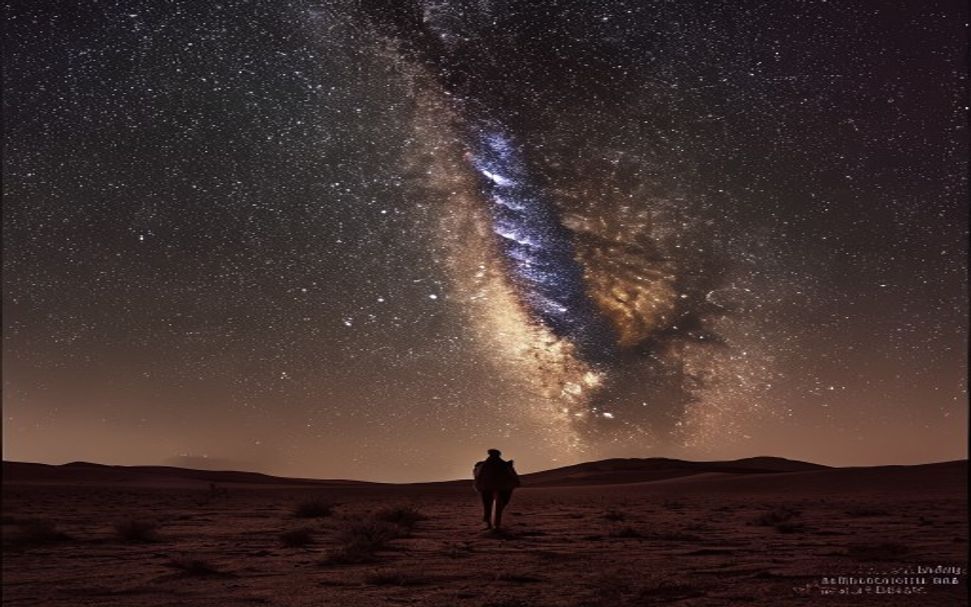
The profound meanings found in the works of Mevlana Celaleddin Rumi, especially in his Divan-ı Kebir, shed light on fundamental questions about human existence. The phrase ‘the sleep of the night watchman is a candle for thieves’ in the source text strikingly reveals how spiritual neglect and laziness imprison the soul. The watchman represents our inner responsibility, while sleep symbolizes the state of heedlessness (ghaflet). Mevlana aims to awaken us from this sleep; he advises us to reach truth by traversing nights like stars, that is, through disciplining the ego (nafs terbiye) and seeking divine grace. This awakening requires overcoming worldly fears and discovering our inner strength.
The Depth of Existence and the Journey to God
In Rumi’s teachings, humanity is invited to reconnect with its bond with God. The question ‘Were you not a ship tossed from side to side in the waves of the storm?’ in the source text emphasizes the grandeur of human creation and our place in the universe. Humanity is part of a cosmic journey, and it is possible to be under God’s protection during this journey. The metaphor of the hat (külâh) touching the heavens expresses humanity’s potential, boundlessness, and ability to reach universal values; because every individual can transcend themselves by drawing closer to God and attain a higher level of consciousness. Patience, submission, and love are important in this journey.
The Ecstasy of Love and Beyond Existence
Rumi’s love, which overwhelms the mind, is not merely an emotion but also a catalyst for spiritual transformation. The question ‘Who are you that you surpass the world even in my heart?’ expresses the deep impact of love on humanity’s being and the desire to transcend boundaries. Love is a ladder that leads humanity to God; the difficulties and sacrifices experienced on this path purify and mature the soul. By saying, ‘The sun and moon do not need gifts, their own faces suffice,’ Rumi emphasizes that love is an inner richness and does not require external displays. Being intoxicated with the ecstasy of love is, according to Rumi, a way of comprehending truth; because only through love does the heart open and divine grace is accepted.