
You Reap What You Sow: Your Intention Shapes Your Life
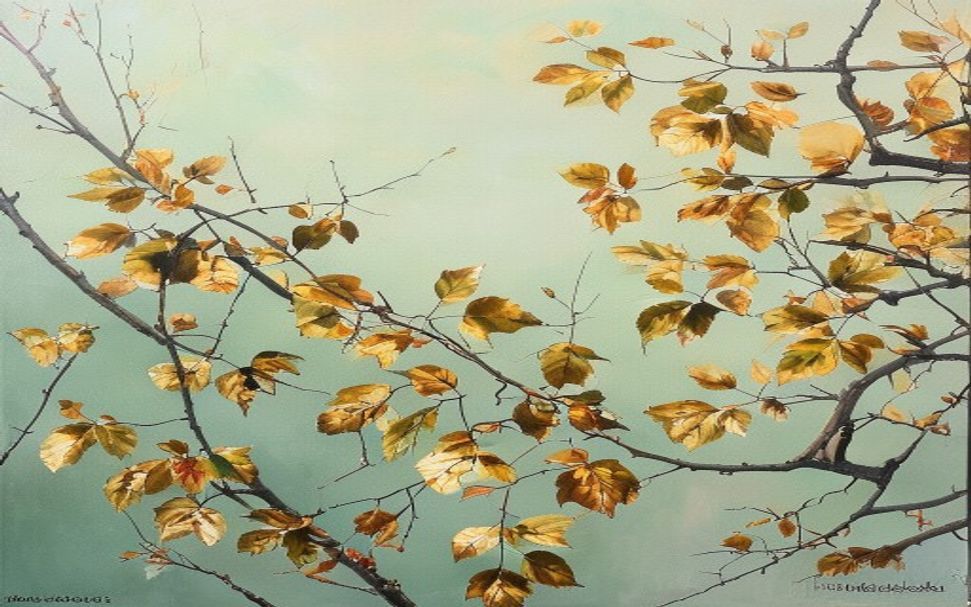
The teachings of Mevlana Celaleddin Rumi illuminate the fundamental principles of human existence. The phrase in the source text, ‘A tree grows from the earth and sprouts leaves, then says: Master, you reap what you sow,’ requires a deep understanding of the essence of life. This is not limited to physical actions; our thoughts, intentions, and words also produce consequences. The experiences we encounter in life are actually the fruits of the seeds we have sown in the past. Therefore, to build a positive future, we must nourish our hearts with love, our minds with righteous thoughts, and our tongues with beautiful words; because our intention is the most important factor determining the course of our lives.
In the Footsteps of Love: On the Path to Union with the Beloved
Rumi’s words point to the importance of the quest for love and the path that should be followed in this journey. The phrase ‘The beloved is in his house, yet he does not come to that house, aimlessly running and wandering in nonexistent places,’ emphasizes the necessity of turning inward rather than towards the external world to find truth. Love is not just a feeling; it is also a stage; an obstacle to be overcome to achieve spiritual maturity. By citing the relationship between Jesus and Mary, Rumi states that those seeking truth must overcome all obstacles to reach the beloved, and reminds us of the importance of sincerity and surrender in this journey.
Abundance of Heart: Divine Delight with the Wine Metaphor
Rumi frequently uses the wine metaphor to express Sufi experiences. This wine represents far more than worldly pleasures; it is a symbol of divine love and truth. The question ‘How can one remain sober when the cupbearer is a companion?’ expresses the intensity of exhilaration and surrender experienced on the spiritual journey. Drinking wine is transcending the limits of the self, abandoning the ego, and reaching truth. What Rumi tries to convey with these images is that true wealth lies not in worldly pleasures but in the heart’s ecstasy with divine love.
The Secret of Laughter: Tolerance and Inner Happiness
Rumi’s depictions of the rose help us understand the source of inner peace and happiness. The rose constantly smiles because it owes its existence to its beloved; this is a manifestation of tolerance and compassion. The phrase ‘I asked the rose, who are you laughing at? It answered and said: I am laughing at the ugly one with two husbands,’ is a sign that Rumi taught us to embrace everyone with love, disregarding differences. Laughter also represents the ability to maintain inner peace despite life’s difficulties, which is the key to true happiness.