
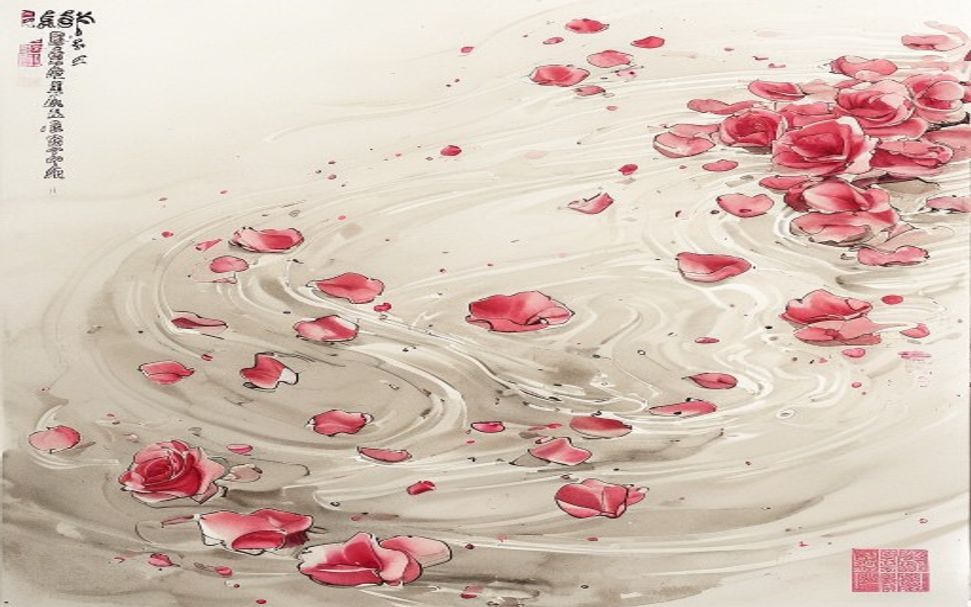
The Rhythm of the Universe and the Orbit of Lovers
In the works of Mevlânâ Celaleddin Rûmî, rotation, which appears as the fundamental rhythm of the universe, is not merely a physical event but also a manifestation of love. The sky’s rotation for lovers, this rotating dome being instrumental in love, is an important indicator of Rumi’s cosmic perspective. This indicates that love draws humans towards a universal experience, encouraging them to rotate around their own axis; this rotation is a significant step on the path of personal growth and divine proximity.
The Order of Love and the Journey of Self-Discovery
According to Rumi, love is not for those who have worldly needs like bakers or blacksmiths, but for those seeking an universal truth. Therefore, revolving around lovers means understanding the secret of love that transcends ourselves and elevates us to a higher level of consciousness. The eye’s difficulty in seeing lovers emphasizes that true love cannot be simply perceived, but must be discovered through deep inner effort; one must be open to love appearing in unexpected places, emerging like from a door or wall.
Intoxication and Reaching Existence
Rumi depicts the intoxication of love as a form of surrender and reaching existence. This intoxication, expressed with the symbol of wine, is a state of ego dissolution and integration with the Divine; the expression “renounce the longing for the land of Sencer” indicates that ego and worldly attachments must be relinquished. In this process, it is important to build a ship on dry ground and fall onto a wet path – that is, continuing the spiritual journey by facing difficulties. The human who takes wing with the influence of love transcends boundaries, reaches new dimensions, and integrates themselves with a wider universal consciousness; this is a reflection of Rumi’s view of love not only as an emotional experience but also as a transformative power.