
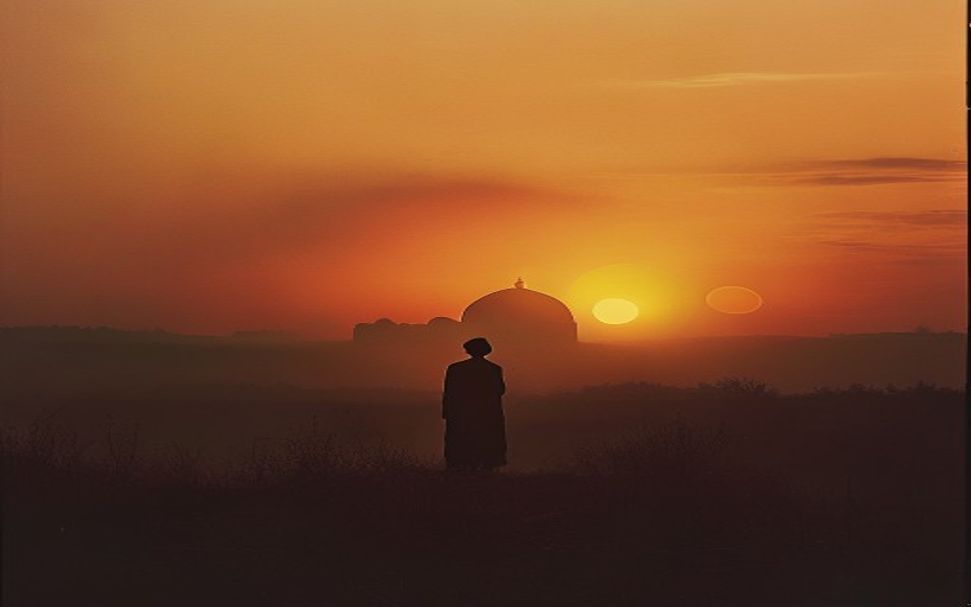
The Symbolic Meaning of the Journey
The motif of journey, frequently encountered in the works of Mevlânâ Celaleddin Rumi, symbolizes not merely a physical movement but also a profound spiritual quest. As emphasized in the source text, this journey begins with God’s permission and protection, transcending the boundaries of city life and taking a step into the unknown. In Rumi’s thought, the path represents the effort to break free from the transient worldly ties of the self and reach truth; therefore, embarking on a journey means discovering oneself and integrating with universal love.
The Guidance of ‘Moon-Faced’ and the Importance of Heart Connection
In Rumi’s poems, the figure of the “moon-faced” represents a guide embodying truth. Following this guide brings along an environment of brotherhood and love where hearts unite and walk the same path. In Rumi’s teachings, the heart is a center that transcends the limitations of reason and can directly connect with divine love. Therefore, the heart’s quickness, impulsiveness, ability to make decisions rapidly, and its importance in progressing on the spiritual path are significant; for the heart boards the ship without thinking and reaches Mecca without joining the caravan, intuitively aiming for truth.
The Limitations of the Body and the Freedom of the Soul
Rumi draws attention to the transient and limited nature of the body while emphasizing that the soul is infinite and free. The contrast between the body’s clumsiness and the soul’s agility expresses the necessity of escaping worldly limitations and ascending to the spiritual realm. Truth does not emanate from the body; virtues such as loyalty and generosity manifest from the heart. A body integrated with true love has become dust, defying the soul-king; this demonstrates the self’s detachment from the transient worldly ties and surrender to truth. According to Rumi, one must transcend oneself and surpass the limitations of the body to reach spiritual freedom.