

SECTION ON PRAYER · 10 – If the Imam delays the prayer past its time




Abū Zarr reported: The Messenger of Allah said to me: “If those who delay or neglect the prayer order you, how will you pray?” I said: O Messenger of Allah, what do you command me to do? He (peace and blessings be upon him) said: "Pray at its appointed time, then if you join them in the prayer, repeat it. What you pray with them is supererogatory." [301]







It is narrated from Amr bin Maymun al-Awdi, may Allah be pleased with him:
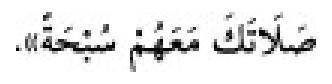
Mu’adh bin Jabal came to Yemen as an emissary of the Messenger of Allah, peace and blessings be upon him. I heard his morning takbir; he had a deep voice. I loved him greatly. Indeed, I did not leave him until he died in Damascus and I buried him. When he passed away, I sought out the most knowledgeable among the companions after him, and I found Ibn Mas’ud. I did not leave him until he passed away. Ibn Mas’ud related: The Messenger of Allah, peace and blessings be upon him, asked me, “If those who perform prayers after their appointed times were to become rulers, how would you pray?” I said: "O Messenger of Allah, what do you command me to do if such a thing were to happen to me?" The Messenger of Allah, peace and blessings be upon him, replied: “Perform the prayer in its time. What you perform with it is supererogatory.” [302]
COMMENTARY:
Subha: Used to mean supererogatory prayer. It indicates that it is desirable for one who has already performed the obligatory prayer to pray the same prayer as a supererogatory prayer with a congregation he encountered.




Ubad ibn as-Samit (may Allah be pleased with him) narrated:
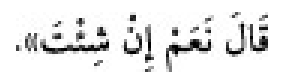
The Messenger of Allah (peace and blessings upon him) said to us: "After me, there will be rulers who will withhold you from performing prayers at their appointed times, until the time for them has passed. So perform your prayers at their appointed times." A man said: “O Messenger of Allah, should I pray with them (when I am praying on time)?” The Messenger of Allah (peace and blessings upon him) said: "Yes, if you wish.”
Sufyan related: He asked, “Should I repeat the prayer if I join them for the same prayer?” The Messenger of Allah (peace and blessings upon him) said: "Yes, if you wish."



Kabisa ibn Waqqas (may Allah be pleased with him) narrated:
The Messenger of Allah (peace and blessings upon him) said: “There will be rulers after me who delay the prayers, and their delaying them is beneficial to you against them. As long as they pray the prayers facing the qibla, pray with them.”
COMMENTARY
Since the congregation does not desire to delay the prayer, the delay of the prayer is beneficial to them. For they first perform the obligatory prayer, then pray the supererogatory (nafl) prayer with the rulers. The supererogatory prayer is a benefit for them. However, because the rulers are the cause of delaying the prayers, they will be punished for the delay, which is detrimental to them. Furthermore, it is commanded to follow them as long as they pray their prayers facing the Ka’bah. It is warned that if they change the qibla, do not follow them, and obedience should not be given to a person in disobedience of Allah.
This honorable hadith is among the miraculous hadiths of the Messenger of Allah (peace and blessings upon him). It gives news of people who will come to power after the era of happiness who have no connection with worship, who will take prayers out of their times, and who will delay the prayers of those working under them.