

SECTION ON PRAYER · 53 – WOMEN'S ATTENDING THE MOSQUE


Abu Hurayrah, may Allah be pleased with him, narrated:
The Prophet, peace and blessings be upon him, said, “Do not forbid the female servants of Allah from the mosques. But let women go out without perfume.”
EXPLANATION:
Tefilet: This means to exit without perfume. Women coming to the mosque wearing perfume may cause tribulation. Therefore, it is reported that they should not be prevented from coming without perfume. If they have applied perfume, they are desired not to come because of the fear that it will cause tribulation. It is disliked for women to go to mosques due to the apprehension that they will cause corruption. (Bezl-ül-Mechud, vol. 4, p. 162)

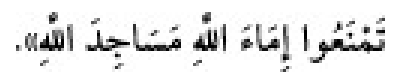
From Ibn 'Umar, may Allah be pleased with him: The Prophet, peace and blessings be upon him, said: "Do not prevent the female servants of Allah from the mosques." [374]
EXPLANATION
*Imāh*: Is the plural of *ummah*, which means a slave girl. However, it is used here to mean women.


From Ibn 'Umar (may Allah be pleased with him), the Prophet (peace and blessings of Allah be upon him) said: "Do not forbid women from the masjids, for their houses are more virtuous for them."




Abdullah ibn Umar, may Allah be pleased with him, related:
The Messenger of Allah, peace and blessings be upon him, said, “Permit women to go to the mosques at night.”
Then Abdullah ibn Umar’s son said, "By Allah, we do not permit women to go to the mosque. For women make the mosque a place of corruption. By Allah, we will not permit them." Thereupon his father became angry with him and spoke harshly to him. He said, “I heard the Messenger of Allah [say], ‘Permit them,’ but you say, ‘We do not permit.’” [375]
COMMENTARY
This honorable hadith is evidence that one may speak harshly to those who speak contrary to the sunnah of the Messenger of Allah, peace and blessings be upon him, in order to discipline them. The cursing of Ibn Umar’s son was intended to be equivalent to three expressions of condemnation, not to strike his head.