

Volume 4 – 31 – Collecting Jizya from the Zoroastrians

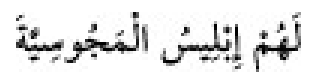
According to a narration from Ibn Abbas, may Allah be pleased with him, he said: When the prophets of the Persians died, Iblis (Satan) wrote (imposed) Zoroastrianism upon them.
COMMENTARY:
When the prophets of the Persians died, they followed Satan, and Satan encouraged them to worship fire instead of the true religion. Thus, they worshipped fire. The Zoroastrians are polytheists. Polytheists are either killed or accept the true religion. No *jizya* should be taken from them, because *jizya* is taken from People of the Book. The People of the Book are Christians and Jews. However, in the Sunna, the Zoroastrians have been subjected to *jizya* like the People of the Book. This is not unconditional. The conditions for its application to them will be shown in a subsequent hadith.








Becaalah reported that I was the scribe of ‘Abd Allah ibn Kays’ uncle, Jaabir ibn Muawiyah. A letter arrived to us from Umar a year before his death. (The letter stated): “Kill every sorcerer, separate those couples who have married women from amongst the Zoroastrians according to their kinship ties, and forbid them from uttering the incantation [zemzeme] before eating.”
Thereupon, we killed three sorcerers in one day. We separated every man married to a woman related to him by kinship ties according to Allah’s Book from amongst the Zoroastrians. Jaabir ibn Muawiyah prepared an abundant feast and invited the Zoroastrians to eat. He placed his sword upon his thigh, and they ate without uttering the incantation they were wont to whisper. (Afterward) they gave one or two camel loads of silver (to the estate of) ‘Abd Allah ibn Hakim. Umar – may Allah be pleased with him – did not collect cizya from the Zoroastrians until Abdurrahman ibn Awf testified that the Messenger of Allah, peace and blessings be upon him, collected cizya from the Hajar Zoroastrians. [20]
EXPLANATION:
The reason Umar forbade the Zoroastrians from marrying women related to them by kinship ties and from uttering the zemzeme – which expresses worship of fire – before eating was that the legal cases of the dhimmis under the Muslims’ protection were judged according to Islamic law. Umar also forbade marriage with close relatives, as he observed in all communities, and since they were being judged according to Islamic jurisprudence, he separated those who had previously married related women.





It is narrated from Ibn ‘Abbas, may Allah be pleased with him, that he said:
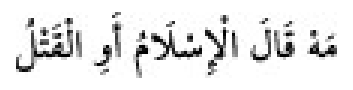
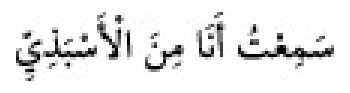
A man from the people of Asbāz, a city from Bahrain, came to the Messenger of Allah, peace and blessings be upon him. The people of Asbāz are Zoroastrians among the Hajarites. He entertained himself in the presence of the Messenger of Allah, peace and blessings be upon him, then left. I asked him, “What did Allah and His Messenger rule concerning you?” He said, "A burdensome ruling." I said, "Be silent." He said, "It ruled either Islam or death.”
Ibn ‘Abbas continued: Abdurrahman bin Awf said that the Messenger of Allah, peace and blessings be upon him, accepted the jizya from the Zoroastrians.
Ibn ‘Abbas said: The people accepted the words of Abdurrahman bin Awf and abandoned what I heard from the Asbāzī Zoroastrian (regarding the ruling).