

SECTION ON FUNERALS · 62 – THE FUNERAL PRAYER FOR A MUSLIM WHO DIES IN A LAND OF SHIRK (associating partners with God)


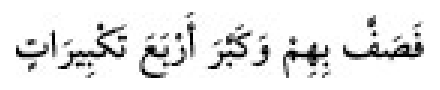
3204 – It is narrated from Abū Hurayra (may Allah be pleased with him): The Messenger of God (peace and blessings be upon him) informed the people of the death of the Negus (Najāshī) on the day he died. He led the people out to the prayer ground (muṣallā), arranged them in rows, and led his funeral prayer, pronouncing four takbīrs (Allāhu akbar). [114]




3205 – It is narrated from the father of Abū Burda that the Messenger of God (peace and blessings be upon him) commanded us to go to the land of the Negus (Najāshī). The father of Abū Burda continued his narration, saying: The Negus said: I bear witness that he is the Messenger of Allah. He is the one whom Jesus, son of Mary, gave glad tidings of. If it were not for the burden of kingship upon me, I would have gone to him and carried his sandals.
EXPLANATION
The real name of the Negus (king) of Abyssinia was Adhame. When this person died in Abyssinia, the Messenger of God (peace and blessings be upon him) led his funeral prayer in Medina. According to the Shāfiʿī and Ḥanbalī schools, the funeral prayer may be performed for someone who is absent (ghāʾib). Their evidence is this incident. According to the Ḥanafī and Mālikī schools, the funeral prayer cannot be performed for someone who is absent. This was an act specific to the Messenger of God (peace and blessings be upon him). It was done in reciprocation for the Negus’s appreciation and recognition.