

TRADE SECTION · 12 – THE CHAPTER ON CURRENCY EXCHANGE



3348 – According to a narration from ʿUmar (may Allah be pleased with him): the Messenger of God (peace and blessings be upon him) said: “Selling gold for silver is usury (ribā). However, if one is given and the other is taken on the spot, it is excepted. Selling wheat for wheat is usury. However, if one is given and the other is taken on the spot, it is excepted. Selling dates for dates is usury. However, if one is given and the other is taken on the spot, it is excepted. Selling barley for barley is usury. However, if one is given and the other is taken on the spot, it is excepted.” [186]








3349 – According to a narration from ʿUbāda ibn Ṣāmit (may Allah be pleased with him): the Messenger of God (peace and blessings be upon him) said: “Whether in ingot or coin form, gold is to be exchanged for gold, and whether in ingot or coin form, silver is to be exchanged for silver (in equal measure). It is permissible to buy and sell wheat for wheat, measure for measure; barley for barley, measure for measure; dates for dates, measure for measure; salt for salt, measure for measure. Whoever increases in measure or seeks an increase has indeed engaged in usury (ribā). But there is no harm in buying and selling gold for its weight in gold and a little extra in silver, provided it is on the spot. However, deferred payment is not permissible. There is also no harm in buying and selling wheat for its weight in wheat and a little extra in barley, provided it is on the spot. But if it is deferred, it is not permissible.” [187] Abū Dāwūd said: This hadith has been narrated by Saʿīd ibn Abī ʿArūba and Hishām Dastuwāʾī with the same chain from Qatāda, who narrated from Muslim ibn Yasār.


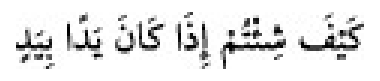
3350 – According to a narration from ʿUbāda ibn Ṣāmit (may Allah be pleased with him): the previous hadith from the Messenger of God (peace and blessings be upon him) has been narrated with some additional and some omitted phrases. The phrase, “When these commodities are of different kinds, buy and sell as you wish, provided it is on the spot,” is an addition.
EXPLANATION
In hadiths numbered 3348, 3349, and 3350, it is stated that exchanging gold for gold, silver for silver, wheat for wheat, dates for dates, and even gold for silver is permissible if done on the spot, but if done on a deferred basis, it constitutes usury (ribā). Here, two forms of usury are identified, as follows: The first is selling one gram of gold for one and a half grams of gold on the spot; the half-gram excess is usury. This is called ribā al-faḍl (usury of excess). The second is selling one gram of gold for one gram of gold to be paid after a month. Although their weights are equal, there is a one-month period between the gold given on the spot and the gold to be paid later. This time is considered usury and is called ribā al-nasīʾa (usury of delay). However, since gold and silver are not of the same kind in terms of weight and measure, it is understood from these noble hadiths that it is permissible to sell one gram of gold for one gram of silver, or for two or more grams of silver, provided the transaction is on the spot.