

SHOPPING SECTION · 25 – BEING THE SUBJECT OF A SALES AGREEMENT FOR UNKNOWN ITEMS

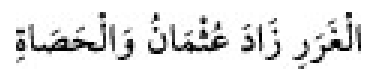
According to the narration of Abu Hurayra, may Allah be pleased with him:
The Messenger of Allah, peace and blessings be upon him, forbade selling something whose essence the buyer and seller did not know. One of the narrators, Osman bin Abu Shaiba, added to this *bay’ al-hasat* (selling by throwing pebbles).




On the authority of Abu Sa’id al-Hudri, may Allah be pleased with him, he reported:
The Messenger of Allah, peace and blessings be upon him, forbade two kinds of sales and two kinds of dress. Among the forbidden sales is a sale in which the buyer and seller look at the garment they are selling and buying. And among them is a sale where the seller throws the garment to the buyer, considering it sold. As for the forbidden dresses, one is when a person puts the edges of his garment over his left shoulder, leaving his right shoulder uncovered. And the other is when a person sits with his private parts exposed or wears only one garment without covering his knees.





According to the narration of Abu Sa’id al-Hudri, may Allah be pleased with him:
A hadith was narrated from the Messenger of Allah, peace and blessings be upon him, as previously mentioned. The narrator, Abdurrazzak, added in this narration:
*Istima'l as-samma:* Is to wear clothing by throwing both sides over the left shoulder, leaving the right shoulder bare.
*Munabeza:* Is when a seller says to a buyer, "The sale is confirmed when I throw this garment at you."
*Mulamesa:* Is when the buyer touches the garment and the sale is confirmed simply through that touch, without opening it, looking at it, or examining it.


Abu Sa'id al-Hudri, may Allah be pleased with him, narrated:
The Messenger of Allah, peace and blessings be upon him – Sufyan and Abdurrazzaq have transmitted a hadith, and their narrations agree in meaning – forbade [something].

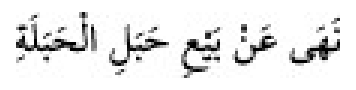
According to the narration of Abdullah ibn Umar, may Allah be pleased with him:
The Messenger of Allah, peace and blessings be upon him, forbade trading in al-habal al-habala – “the exchange until the fetus within the she-camel is born and it itself conceives.”


From Ibn ‘Umar (may Allah be pleased with him), who narrated from the Messenger of Allah (ﷺ) – relating it similarly to the preceding hadith – he said: “Habel al-habal is like the fetus within the female camel being brought forth, and that newly born one becoming pregnant.”
**Explanation:**
Amongst the Arabs, in deferred sales transactions, the term for the repayment period was something like: "I will pay you when this female camel gives birth to its young, and that young one grows up and becomes pregnant." This type of transaction, being an uncertain sale, was prohibited by the Messenger of Allah (ﷺ).