

Volume 4 – Page 38 – Entering State Land


According to the narration of Muadh (may Allah be pleased with him), he said:
Whoever is burdened with the sin of failing to pay the haraj tax on land under his possession, then he has strayed from the path upon which the Messenger of Allah (peace and blessings be upon him) was.
EXPLANATION:
If a believer purchases land subject to haraj, the haraj previously collected from it is still taken. If haraj is levied on a piece of land, ushūr is not taken. If ushūr is taken, haraj is not taken. Ushūr and haraj are not combined on one piece of land.






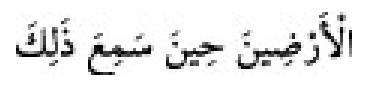

On the authority of Abu ad-Darda, may Allah be pleased with him, it is narrated that the Messenger of Allah, peace and blessings be upon him, said:
“If someone buys land along with its jizya (haraj), then he has invalidated his emigration.”
“And if someone removes the humiliation of the kafir’s (paying) haraj from his neck and places it upon himself, then he is like one who has turned away from Islam.”
Sinan ibn Kays said:
Khalid ibn Maden heard this hadith from me. And he said to me: Did Sabb bin Nuaym relate this to you? I said: Yes. Khalid said: When you go to him, have him write it down for me. Sinan said: (I went to Sabb) and he wrote the hadith for me. Upon my arrival, Khalid ibn Maden asked for the written paper (containing the hadith). And I gave it to him. After reading the letter, as soon as he heard this matter, he abandoned the land that was in his possession which was subject to haraj.
Abu Dawud says:
Among those mentioned in the chain of narration is Yazid ibn Humayr al-Yamani. He is not the Yazid who was a companion of Shu’ba.
EXPLANATION
The jizya mentioned in this hadith and the preceding one refers to haraj. A believer is freed from the humiliation of disbelief through belief. If a mu'min buys land with its haraj, subject to the condition that he pays the haraj, then he has subjected himself to the obligation of paying haraj and cast himself into the same humiliation as the kafir.