
ICĀRA SECTION · 89 – RUKBA


3558 – It is narrated from Jābir (may Allah be pleased with him) that the Messenger of God (peace and blessings be upon him) said: “ʿUmrā is permissible for the one to whom it is given as a gift. Rukbā is also permissible for the one to whom it is given as a gift.” [308]
EXPLANATION
If something is given to a person as a gift with the condition of life tenure (kayd-ı hayat şartı), that property belongs to the recipient. If a property is gifted to someone to belong to them as long as they are alive, that property belongs to the person. In this hadith, it is understood that ʿumrā and rukbā have the same legal ruling.


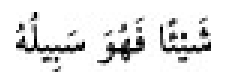
3559 – It is narrated from Zayd ibn Thābit (may Allah be pleased with him) that the Messenger of God (peace and blessings be upon him) said: “Whoever gives a property as a gift with the condition of life tenure, it belongs to the recipient both during his lifetime and after his death. Do not make a gift (ʿumrā) with the condition of using it only during life. Whoever gives a property as a gift with the condition of life tenure, that property is on its own way (i.e., it enters into the division of inheritance).” [309]
EXPLANATION
From this noble hadith, it is understood that a gift given with the condition of life tenure will, even if the recipient dies, remain to his heirs like other inheritance property and will be subject to division.


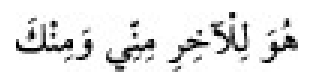
3560 – It is narrated from Mujāhid (may Allah be pleased with him) that he said: ʿUmrā is when a person says to another, “As long as you live, this property belongs to you.” When this statement is made, the property belongs to the recipient and his heirs. Rukbā, on the other hand, is when a person says, “I give you this property as a gift; whichever of us dies first, this property will belong to those of us who remain alive.”