

Section 5 of the ITK (AZAT) – Working to Earn the Money Needed for the Freedom of Slaves



Abu Hurayra, may Allah be pleased with him, narrated: The Messenger of Allah, sallallahu alayhi wa sallam, said: “If one emancipates his share of a slave, then he emancipates all of it. And if he does not have (sufficient) property, then the slave is made to work without causing hardship.”





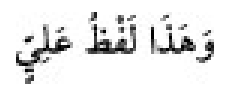
Abu Huraira (may Allah be pleased with him) narrated: The Messenger of Allah (peace and blessings upon him) said: "Whoever emancipates his share of a slave, if the slave possesses property, then the emancipation of that slave belongs to him. If the slave has no property, then the value of the slave is properly assessed. Then he may be made to work until the owner’s share is paid, on the condition that no hardship is caused.”
Abu Dawud said: The hadith of Yazid bin Zuray and Nasr bin Ali also contains the words “he may be made to work without causing hardship.”

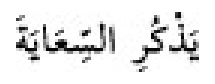
Rawh ibn Ubadah transmitted this hadith from Sa'id ibn Abu ar-Ruba, but he did not mention the permissibility of employing a slave.