

BEVERAGES SECTION · 1 – THE FORBIDDING OF WINE




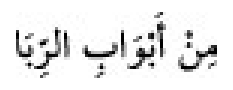
Umar (may Allah be pleased with him) narrated: “On the day the prohibition of wine was revealed, it used to be made from five things: grapes, dates, honey, wheat, and barley.”
Wine is that which obscures the mind. There are three matters concerning which I wished that the Messenger of Allah (peace and blessings upon him) had made a clear statement before his death so that we could refer to it in our rulings: inheritance from one’s paternal grandfather (regarding whether the paternal grandfather and brother are excluded from inheritance, the inheritance of someone without children or parents), and some types of riba (usury).”
EXPLANATION:
Riba (usury) is of two kinds:
1. Riba-i nasi'a: This is usury in deferred transactions. All the companions agree that it is forbidden.
2. Riba-i fadl: This is excess in advance transactions. The companions differed regarding this matter.
Riba-i nasi'a: Selling one kilogram of wheat for one kilogram of wheat on credit. One kilogram of wheat can be sold for one kilogram of wheat upfront, but if it is done on credit, the time difference constitutes Riba-i nasi'a. It is forbidden; lending and borrowing are permissible, and its ruling is that of a beneficial loan (karz-i hasan).








Umar ibn al-Khattab, may Allah be pleased with him, narrated from Amir, may Allah be pleased with him:
When the prohibition of alcohol was revealed, he supplicated, "O Lord, grant us clarification regarding wine (concerning our affliction)." Then the verse [2:219] of Surat al-Baqarah was revealed: “And know that indeed some benefits come to you and also some harm from your desires. But its sin is greater than its benefit.” Umar ibn al-Khattab was summoned, and this verse was recited to him. He supplicated again, "O Lord, grant us clarification regarding our affliction concerning wine." Then the verse [4:43] of Surat an-Nisa’ was revealed: “O you who believe, do not approach prayer while in a state of intoxication until you know what you are saying.” After that, the call to prayer would be announced, and the mu'adhin would say, "Let him who is intoxicated not approach the prayer." Umar ibn al-Khattab was summoned, and this verse was recited to him. He supplicated again, “O Lord, grant us clarification regarding our affliction concerning wine.” Then the verses [5:90-91] of Surat al-Ma’idah were revealed: "You who believe, intoxicants, gambling, (sacred) dice, and fortune-telling are all defilement from Satan's doing. Avoid them so that you may be successful. Satan seeks only to incite enmity and hatred among you, and to keep you off from the remembrance of Allah and prayer." When this verse was recited to Umar ibn al-Khattab, he said, “We have relented, O Lord.”




Ali ibn Abi Talib, may Allah be pleased with him, narrated:
A man from the Ansar invited him and Abdurrahman ibn Auf before wine was prohibited, and gave them both wine to drink. During the evening prayer, Ali, may Allah be pleased with him, led them in prayer and recited Surah al-Kafirun (while under the influence of the wine), mixing it up. Consequently, the verse from Surah an-Nisa’ [Women], “O you who believe, do not approach prayer when you are intoxicated until you know what you are saying,” (43) was revealed.



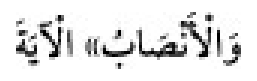
It is narrated from Ibn ‘Abbas, may Allah be pleased with him, that he said:
The verse, “O you who believe! Do not approach prayer when you are intoxicated until you know what you are saying,” (an-Nisa’ [43]) and the verse, "And they ask you about wine and gambling. Say, ‘In them is sin and benefit for mankind, but their evil outweighs their good.’" (al-Baqarah [219]), which was revealed last, and the verse of al-Ma'idah, “O you who believe! Wine, games of chance, idols, and divining arrows are abominations from Satan’s doing. So avoid them that you may be successful,” (al-Ma'idah [90]) – these verses have abrogated one another.




Anas (may Allah be pleased with him) narrated: I was the distributor of drinks at Abu Talha's house when wine was prohibited. That day our drink was only faziha (a concoction made from crushed dates). Then a man came to us and said, "Wine has been prohibited." The Messenger of Allah ﷺ announced it.” We said, “This man is the herald of the Messenger of Allah ﷺ.”