

ITK (AZAT) SECTION · 14 – WHICH SLAVE IS MORE RIGHTEOUS TO FREE?








Abu Najjih as-Sulami (may Allah be pleased with him) relates:
We surrounded the Prophet, peace and blessings be upon him, at the Taif pavilion. Muadh (may Allah be pleased with him) said: My father told me that he heard, “We besieged the fortress of Taif, the pavilion of Taif, all of them.” And my grandfather had heard the Prophet, peace and blessings be upon him, say:
“Whoever strikes a disbeliever with an arrow in the path of Allah, there is a reward for him.”
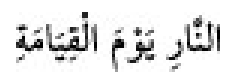
The narrator continued the hadith. I also heard the Prophet, peace and blessings be upon him, say: “If any Muslim frees a Muslim slave, then the Most High, the Mighty God, will protect each bone of the one who freed him from the Fire.” And if any Muslim woman frees a Muslim female slave, then the Most High, the Mighty God, will turn each bone of the freed female slave into a shield for her on the Day of Resurrection.”




Shurahbil ibn Samt, may Allah be pleased with him, narrated: I said to Amr ibn Abasa, "Relate to us a hadith that you have heard from the Messenger of Allah, peace and blessings be upon him." So Amr ibn Abasa said, “I heard the Messenger of Allah, peace and blessings be upon him, say: ‘Whoever emancipates a believing slave, it is a ransom for him from the Fire.’”






From Shuhrabil ibn Samt, may Allah be pleased with him, who said to Ka’b ibn Murra or Murra ibn Ka’b: "Relate to us a hadith that you have learned from the Messenger of Allah, peace and blessings be upon him." The narrator, Muaz, related two hadiths preceding this one, until the phrase 'whichever male frees a Muslim slave, whichever female frees a Muslim woman,' and then added these sentences: “Whoever frees two Muslim women, those women will become a means for his release from the Fire.” It is stated that one bone of each of those two women will correspond to one bone of the man who freed them.
Abu Dawud said: Salim did not hear this from Shuhrabil, because Shuhrabil died in the battle of Siffin.
**Note:** The explanatory text regarding the hadith's meaning is not included as it constitutes commentary and interpretation beyond a faithful translation of the Arabic text.