
In this year, Mujīr al-Dīn, the son of the atabeg of Damascus, requested assistance from the governor of Aleppo, Malik Nūr al-Dīn, against the Crusaders. Malik Nūr al-Dīn immediately came to his aid. He encountered the Crusaders in Basra, defeated them, and returned. He stayed overnight in Kaswa. The governor of Damascus, Mujīr al-Dīn al-Arṭūqī, came and showed him respect. He served him. The people of Damascus observed the respect Nūr al-Dīn showed to him. Ultimately, they wished that he would become their own governor.
In this year, the Crusaders captured the city of Mahdiyya. The governor Ḥasan b. ʿAlī b. Yaḥyā b. Tamīm b. Muʿīz b. Bādīs b. Manṣūr b. Yūsuf b. Balīkīn fled from there with his family members. He feared the loss of his property. Indeed, his property was scattered in various places and towns. He himself went here and there and lost his power. Eventually, cities and towns consumed and exhausted him. He was the last malik of the Bādīsids. The rule of the Bādīsids had begun in the 335th year of the Hijra. The Crusaders entered the city of Mahdiyya. The city's treasures were full of various goods, money, and equipment. But all were plundered. Inna lillāh wa inna ilayhi rājiʿūn (Indeed, we belong to Allah, and indeed to Him we will return).
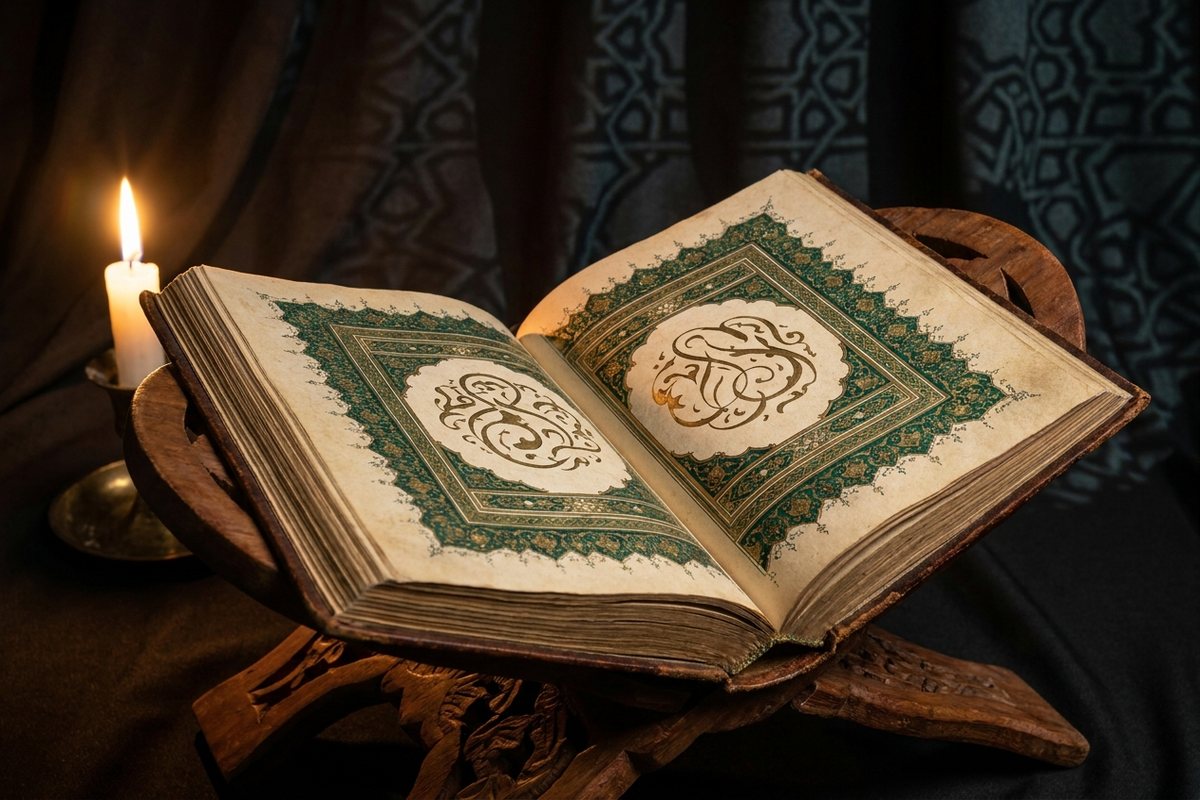
In this year, the Crusaders, with about 70,000 warriors and an unknown number of soldiers known only to the Almighty and Glorious Allah, including the German emperor who was with them, besieged the city of Damascus. The governor of Damascus at that time was Mujīr al-Dīn al-Arṭūqī, and the atabeg (the ruler of the country) was Muʿīn al-Dīn. The siege began on Saturday, the sixth of Rabiʿ al-Awwal of this year. The people of Damascus resisted them with 130,000 warriors. Both sides fought fiercely. On the first day, about 200 Muslim warriors were killed. As for the Crusaders, countless soldiers were killed. The battle continued for some time. The musḥaf of ʿUthmān was brought to the courtyard of the Damascus Mosque. People gathered around the musḥaf. They began to supplicate and implore the Almighty and Glorious Allah. Women and children uncovered their heads and began to pray and weep.
Ash was scattered all over the city. Arṭūq requested help from Nūr al-Dīn Maḥmūd, the governor of Aleppo, and his brother, and from Sayf al-Dīn Ghāzī, the governor of Mosul. They, along with the rulers who joined them and others, came immediately to his aid with about 70,000 soldiers. When the Crusaders heard that these reinforcements were coming, they abandoned Damascus and retreated. However, the soldiers caught them and killed many of their men. They also killed a monk named Ilyās who was with them and had encouraged them to take Damascus. This monk claimed to have seen the Messiah in a dream and said he was promised that Damascus would be conquered by the Crusaders. The monk was killed. May Allah curse him. The Crusaders almost captured Damascus. But the Exalted Allah protected it by His power and strength. The Almighty Allah says in a noble verse:
"If Allah did not repel some people by means of others, monasteries, churches, synagogues, and mosques in which the name of Allah is much mentioned would have been demolished." (al-Ḥajj 22:40).
The city of Damascus cannot be taken by the disbelieving enemies. Because it has been granted the glad tidings of the Messenger of Allah (peace and blessings be upon him), who said, "The city of Damascus is the refuge of Islam during wars and tribulations. The son of Mary, ʿĪsā (Jesus), will descend there."
During the siege, the Crusaders killed many men from Damascus. Among those killed was the great jurist and scholar of the Mālikī madhhab, known by the title Ḥujjat al-Dīn, Abū al-Ḥajjāj Yūsuf b. Darnās al-Findalawī. He was killed in the Nayrab region. He was buried in the Bāb al-Ṣaghīr Cemetery.
Mujīr al-Dīn had made a peace treaty with the Crusaders so that they would not attack Damascus in exchange for giving them Banyās. Accordingly, the Crusaders left and took possession of the city of Banyās. In this year, a dispute arose between Sultan Masʿūd and his emirs. The emirs abandoned him and left. They attacked Baghdad. They fought with the people. They killed many men and women, young and old, from Baghdad. Then they gathered opposite the caliph's palace, kissed the ground, and apologized to the caliph for what had happened. Afterwards, they went towards the Nahrawān region. They dispersed to various places. They plundered the property of the people. Because of this, famine occurred in Iraq. Prices rose.
In this year, after the death of Zaynabī, Abū al-Ḥasan ʿAlī b. Aḥmad b. ʿAlī b. al-Dāmighānī was appointed as the qāḍī al-quḍāt of Baghdad.
In this year, Sulay b. Ḥusayn, the ruler of Gūr, captured the city of Ghazna. The ruler of Ghazna, Bahrāmshāh b. Masʿūd, who was a descendant of Sebuktigin, went to Farghāna and requested help from the malik of Farghāna. He came with a large army and took the city of Ghazna from Sulay. He also captured and executed Sulay. Indeed, Sulay was a generous, noble, and very charitable person.